How inpatient services such as psychiatric units overuse and misuse of psychotropic medication contributes to the development of substance abuse issues
Author: Pigeon , Temidayo J Ogundamisi
Date: 17/08/2024
Introduction
As a child, did you cry? Did you ever get upset? Maybe you were a bit more dramatic, screamed, threw a tantrum? That’s okay because you’re a child; you haven’t been on earth for a long time, and you haven’t yet learned how to regulate your emotions. You’re still learning how to live!
Now imagine every single time you had a tantrum you were sedated. Honestly, it doesn’t sound too bad,
right?
The effects of institutionalization and lack of follow-up support after puts individuals with lived experience of inpatient services at high risk of drug dependency and substance abuse disorders. As an individual with lived experience of mental health inpatient care as a child, I have seen first-hand how this cycle takes hold. The misuse and overuse of medication in these environments can often lay the groundwork for dependency later on in life.
The Role of PRN Medications in Inpatient Care
The overuse of medication in inpatient settings, especially medication for children and adolescents, definitely has a significant link to subsequent substance abuse issues. PRN, which is Latin for “pro re nata” or “as needed,” refers to medication given on a non-regular basis. In mental health inpatient settings, this is often done when a patient appears to be in distress, with visual behavioral expressions such as crying, screaming, or running often interpreted as requiring PRN attention.
It’s extremely important to understand PRN and how it operates in an inpatient unit. PRN can be given voluntarily and taken orally, or if you are on section, involuntarily via injection. A benefit of PRN medications is their ability to provide immediate relief in acute situations, helping to manage severe symptoms quickly and effectively.
https://www.shutterstock.com/search/medication-overuse?image_type=photo&page=3Personally, my experience with PRN often involved being orally administered benzodiazepines when I got too ‘worked up’ and upset. Efforts to reduce the use of PRN medications in acute mental health settings have shown that overuse can lead to adverse effects, including dependency and subsequent substance abuse. One study identified the need for alternative therapeutic strategies and better monitoring practices to mitigate these risks (Cambridge University Press).
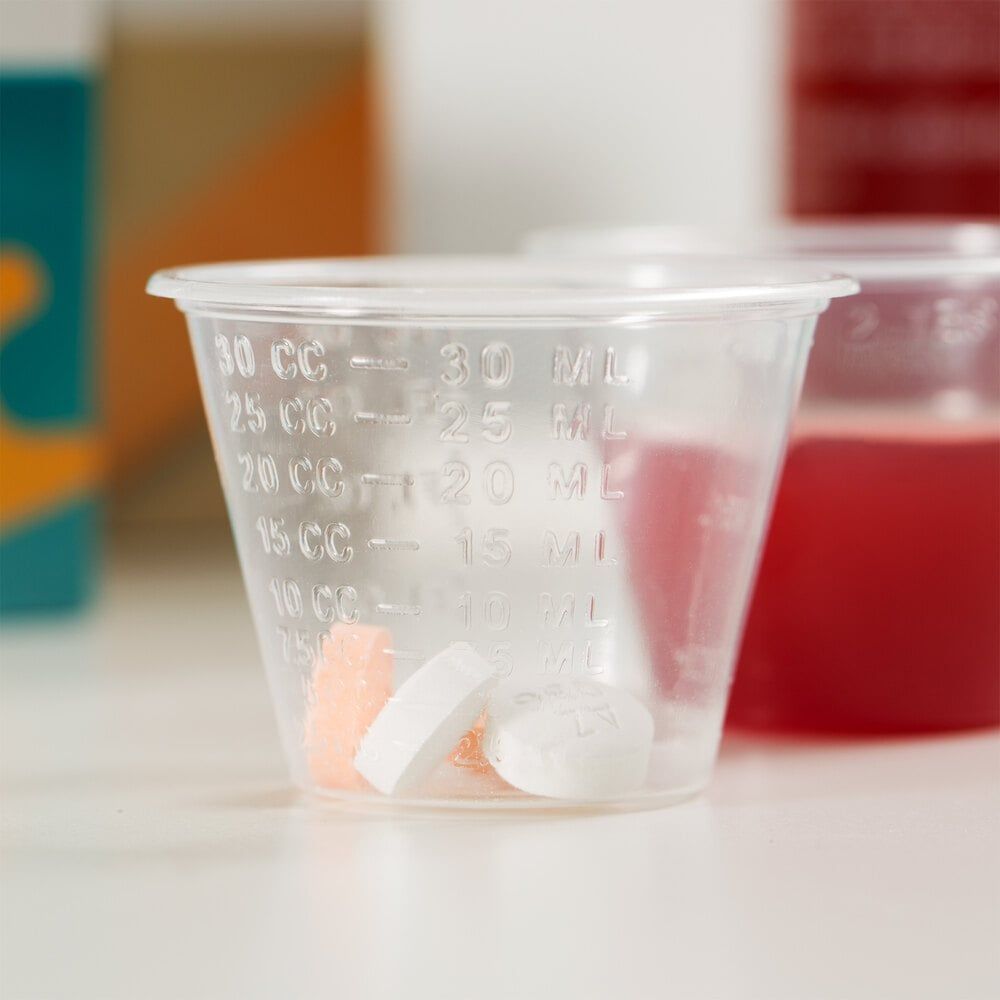
(A disposable plastic medication cup with medication, often dished out to patients routinely to deliver medication however is also used to bring PRN to patients)
Often, in my personal experience, the initial trigger for need for PRN was either flashbacks or dissatisfaction with my detention in a hospital. Looking back, I can’t think of a single time that my expressed concerns about my care were considered, taken on board, and reflected upon rather than being met by sedation with lorazepam.
Intramuscular (IM) injections are a common method in inpatient settings to deliver medications quickly into the bloodstream, and should ideally only be used in situations where the patient cannot take medication orally or needs immediate relief. Whenever a young person was to be IM’d, there were flagship signs—screaming, the staff suddenly rushing to one area and blue gloves. Still, to this day, someone putting on blue gloves is terrifying for me.
The Link Between Inpatient Medication and Substance Abuse
The overuse of medication in inpatient services can significantly contribute to the development of substance abuse issues in patients through several mechanisms.
Dependence and Tolerance: Prolonged or excessive use of certain medications, especially those with addictive properties like opioids and benzodiazepines, can lead to physical dependence. Patients may develop a reliance on these drugs to function normally, which can escalate into substance abuse. From my own experience in a children’s and adolescent inpatient unit, I witnessed and experienced situations where medications were administered more frequently than necessary, fostering a reliance on these drugs.
Over time, patients may require higher doses to achieve the same therapeutic effect, increasing the risk of addiction. As tolerance builds, patients might seek more medication or turn to illicit substances to achieve the desired effects. This effect does not disappear after discharge, and in combination with lack of adequete follow up support, puts individuals at high risk of drug addiction. This was evident in my own experiences and observed experiences of individuals who were sectioned to the child and adolescent inpatient unit continuing to have struggles with substances after discharge, especially those in a similar class as of ones they were frequently administered and prescribed in inpatient.
Psychological Factors: Patients may begin to associate medication use with relief from emotional or psychological distress, leading to an emotional dependence on the drug. This was a common occurrence in the unit where many of us, including myself, started to equate medication with the only form of relief, fostering a deep psychological reliance. If medications are used to manage anxiety, pain, or other distressing symptoms without addressing underlying issues through therapy or other interventions, patients might turn to these drugs as a primary coping mechanism. During my time in the unit, it became apparent that medications were often used as a first-line response rather than exploring other therapeutic options, which could have addressed the root causes of our distress.
The overuse of medication in inpatient settings, especially medication for children and adolescents, definitely has a significant link to subsequent substance abuse issues. PRN is often used when a patient appears to be in distress, but the misuse of this can lead to long-term dependence. In the UK, the overprescription of medications is a known issue. According to a study published by the Care Quality Commission, between 2007 and 2018, the prescription of antidepressants in children and adolescents increased by 54%, and the prescription of antipsychotics rose by 16% (CQC, 2020). In London, a survey conducted by the National Health Service (NHS) revealed that 1 in 10 adolescents admitted to mental health inpatient units reported feeling overmedicated (NHS, 2019). I can firmly state that the expectation of sedation once negative and difficult feelings occured made adjusting to life outside of inpatient particularly difficult, this resulted in frequent overdoses and other issues with substances due to insufficient skills taught to cope with intense emotions.
Case Studies and Personal Stories
I almost faced an unnecessary IM injection on July 6, 2020, when I was 14, shortly after my admission. The incident escalated when staff grabbed me during a panic attack despite knowing my aversion to touch. This made me more frantic, and the charge nurse called in four police officers, even though four nurses were already present. The police themselves questioned their presence, stating they felt like “glorified security guards.”
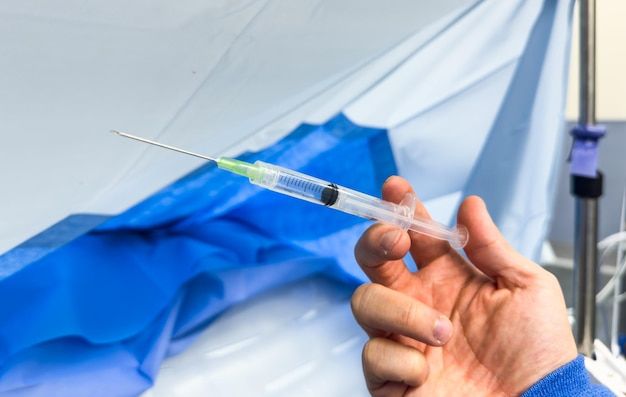
(An example of a needle used for involuntary intramuscular injection, these must be long enough to pierce the subcutaneous fat layer and are often injected while the service user is restrained)
The police used force, pinning me against a wall and causing bruises, even though I was calm and cooperative. The situation was de-escalated only when another young person intervened.
Some phrases I noted during the ordeal included:
- “I am calm and have been calm for the past 30 minutes.”
- “I have no intent to harm you or anyone here.”
- “I want to at least contact my family first.”
- “I am speaking calmly, so you need to listen to me.”
- “I am willing to take this medication orally via tablet.”
No staff member talked to me about the incident afterward, I believe the fact this was casually dismissed and overlooked so quickly highlights systemic issues; policy guidelines were not properly adhered to, and patient welfare was compromised. When I expressed my desire to lodge a formal complaint, staff dismissed me, and advised me it would likely lead nowhere, indicating that this is not a notably abnormal incident in this institution
This incident highlights significant discrepancies between PRN medication policies and their actual use in inpatient settings. Policies typically stress that forced medication should be a last resort, used only when a patient poses an immediate danger and refuses oral medication. In my case, I was calm, compliant, and willing to take the medication orally. However, staff disregarded these guidelines, choosing instead to escalate the situation unnecessarily.
Additional Survey Responses and Personal Accounts
I gathered responses from former inpatient individuals which provide a vivid picture of the challenges associated with the overuse of PRN medications in psychiatric care. These personal accounts highlight significant gaps between the intended use of these medications and their actual application in practice.
Overuse and Misuse: Many respondents indicated that PRN medications were overused during their inpatient stays. One respondent noted, “The staff would put me on multiple PRNs every time I even got slightly anxious… to the point where I was sleeping through group therapy and mealtimes.” Another shared, “IM [intramuscular] was used as a punishment, and they would use antipsychotics as PRN which was so unsafe when you were already on them.” A systematic review on PRN prescription and administration highlights safety issues and adverse events associated with PRN medication use, particularly psychotropics, which are widely used in inpatient settings without sufficient monitoring, leading to risks such as overuse and dependency (MDPI).
Lack of Appropriate Care: One participant’s experience in a high-security ward exemplifies systemic issues within psychiatric care. After being admitted following a suicide attempt, they were kept in a high-security ward due to a lack of available rooms elsewhere. They shared, “They left me in a room alone for hours occasionally bringing me food. I was in a gown with no socks for two days until the psychiatrist I saw on the third day gave me some socks (still no proper clothes).” The interaction with the psychiatrist was particularly damaging: “She first asked me if I was on my period. I’m also a trans man so I didn’t love talking about that sorta stuff. She then proceeded to ask me, ‘Did you do this just so you could talk to me?’” This experience highlights the insensitivity and lack of proper care often encountered in psychiatric settings. The insinuation that the suicide attempt was a ploy to receive psychiatric attention deeply undermined the legitimacy of their struggles, leaving them feeling belittled and disbelieved.
Impact During and After Inpatient Stay: The effects of PRN medications extended beyond the inpatient experience. One individual explained, “I became reliant on them because while I was sleeping, I wasn’t feeling… every time I became agitated I would immediately be given it without any sort of attempt to stabilize me before resorting to drugs.” Research exploring barriers to accessing treatment for substance use after inpatient care identifies gaps in support and continuity of care, leading to misuse of medications initially prescribed in inpatient settings, thereby increasing the risk of developing substance abuse problems (BioMed Central).This indicates that establishing a base level of dependence on substances rather than other stabilizing methods puts individuals at high risk of further issues with drug addiction.
Another respondent expressed that the use of PRN medications felt punitive: “It felt like a punishment during my stay and now I refuse medications which could help my mental and physical health purely to exercise the control I didn’t have while in IP [inpatient].”
Development of Dependency: The survey responses also highlighted instances where individuals or their peers developed dependencies on medications post-discharge. One respondent mentioned, “One of my friends became reliant on drugs and suffered drug addiction and ended up being readmitted within the same year.” Another noted, “Yes, my friend is also on much harder substances now as well.” Data from the Office for National Statistics (ONS) reveals that in the year ending June 2022, 2.6% of adults aged 16 to 59 were frequent drug users. The prevalence of frequent drug use among those with a history of psychiatric care is notably higher, reflecting the strong association between mental health issues and substance abuse (ONS, 2022).
These personal narratives provide a compelling case for revisiting and reforming PRN medication policies and practices in psychiatric care, ensuring that they are used judiciously and in the best interest of patient well-being.
Research Studies on PRN Medications and Substance Abuse
This section explores the extensive research on the use of PRN (pro re nata) medications in psychiatric care, particularly focusing on their implications for dependency and substance abuse. It examines studies that highlight the risks associated with frequent PRN use, the policies and guidelines designed to manage these risks, and the importance of follow-up care to support patients post-discharge.
The research underscores the need for careful monitoring, alternative therapeutic strategies, and integrated care approaches to prevent the development of substance abuse disorders among individuals with mental health conditions.
PRN Medications and Dependency
The use of PRN medications in managing agitation and behavioral issues in children and adolescents is a common practice in inpatient settings. However, research indicates that frequent use of PRN medications, such as intramuscular ziprasidone, can lead to a dependency on these drugs for symptom management. A clinical review highlighted that reliance on PRN medications can result in dependency and suggested that these medications should be used cautiously and as part of a broader, more integrated treatment plan (BMJ Mental Health) however there seems to be a gap in this expert advice and practice. Further emphasizing this connection, the Substance Abuse and Mental Health Services Administration (SAMHSA) reported that nearly 2 in 5 young adults aged 18 to 25 used illicit drugs in the past year. This demographic, which is also the most likely to have experienced inpatient psychiatric care, faces an elevated risk of substance use disorders (SAMHSA, 2019).
A study published in Social Psychiatry and Psychiatric Epidemiology found that clients with mental health problems in inpatient psychiatric care had higher rates of substance use issues compared to the general population. Over 60% of patients with alcohol- or drug-dependence diagnoses received specialized care in substance abuse units, further illustrating the connection between psychiatric inpatient care and subsequent substance abuse (Moos et al., 2015).

The high rates of hospital admissions for drug-related mental and behavioural disorders, particularly in deprived areas, underscore the higher prevalence of substance misuse among those with prior psychiatric hospitalizations. NHS Digital reported that in the year ending March 2020, there were 7,027 hospital admissions for drug-related mental and behavioural disorders and 16,994 admissions for poisoning by drug misuse, with significantly higher rates in the most deprived areas (NHS Digital, 2021).
Inappropriate use of medication in psychiatric units disproportionately affects vulnerable groups, such as impoverished communities and ethnic minorities. These groups face a higher likelihood of receiving inadequate care and being subjected to overmedication due to systemic biases and a lack of resources. This issue is further complicated by the fact that individuals from these groups are more likely to encounter stigma and social and medical rejection for having drug-related difficulties. There is an intrinsic intersection of poverty, race, and mental health; ethnic minorities, in particular, may experience cultural insensitivity and discrimination within the healthcare system, leading to mistrust and reduced access to appropriate care.
Policies, Guidelines, and Follow-Up Care
Policies and guidelines on PRN medications, such as those provided by NICE and the Royal College of Psychiatrists, offer recommendations for managing violence and aggression in mental health settings. However, concerns remain about the inconsistent application of these guidelines, particularly regarding the overuse of PRN medications. These guidelines highlight the need for careful monitoring and regulation to prevent overuse and dependency issues (NICE, 2015; Royal College of Psychiatrists, 2017).
Outpatient support for young people post-inpatient care is crucial, yet significant gaps exist in follow-up care. The Public Health England Report indicates that only 35% of young people who transitioned from inpatient to outpatient mental health services felt adequately supported, contributing to the risk of substance misuse (Public Health England, 2018). Similarly, the Care Quality Commission (CQC) Report points to the need for improved continuity of care and better support systems for young people post-discharge (Care Quality Commission, 2020). Case studies and reports highlight instances where inadequate follow-up care led to negative long-term outcomes for young people. For example, the NSPCC Case Review emphasizes the need for better support mechanisms to prevent adverse outcomes (NSPCC, 2019). A BBC Investigation Report also demonstrated how failures in follow-up care for mental health patients can exacerbate issues and lead to substance abuse (BBC News, 2020). Expert opinion further illuminates the importance of appropriate usage of medication in inpatient in order to prevent substance use issues in the future and ensure long term recovery.
It is essential to remember that whilst inpatient is a short term solution, experiences and habits can further shape an individual’s life, especially those who are incarcerated in inpatient as a child or adolescent and are in their key stages of development. Expert insights, such as those from Dr. Daniel Siegel, explore the interplay between brain development and emotional regulation, providing effective interventions for young people. His work emphasizes the importance of addressing underlying issues through a holistic approach rather than relying solely on medication (Siegel, 2012).
Reports from the NHS, CDC, and WHO provide a comprehensive overview of mental health practices and the prevalence of substance abuse. These reports highlight the need for integrated care approaches and underscore the importance of comprehensive care strategies to prevent substance abuse and promote mental well-being (NHS Digital, 2021; CDC, 2020; WHO, 2019). Actual holistic care methods rather than medication and sedation of any symptom ensures actual recovery and positive mental health are the goal of patient management rather than just subduing an individual.
Outpatient Support and its Importance
Lack of Continuity of Care: When patients transition from inpatient to outpatient care, they may not receive adequate support or follow-up care. This gap can lead to misuse of leftover medications or seeking similar substances outside medical supervision.
Prescription Practices: In some cases, patients may be discharged with prescriptions for medications they were given in the hospital, potentially leading to continued use and eventual abuse. Many of us were sent home with medications that we had become reliant on during our inpatient stay, without proper guidance or support on how to manage without them.
A report by Public Health England highlighted that only 35% of young people who transitioned from inpatient to outpatient mental health services felt adequately supported, which significantly contributes to the risk of substance misuse (PHE, 2018).
Recommendations for Change
To address and improve the issues related to the overuse of PRN medications in psychiatric care, this section offers actionable recommendations aimed at reducing dependency and preventing substance abuse.
Encourage and facilitate patient advocacy:Patient advocacy programs within psychiatric care systems are essential to ensure patient’s rights are upheld. Such programs should be accessible and should facilitate communication between patients and healthcare providers

Comprehensive Assessment: Conduct thorough assessments before prescribing medications, considering the patient’s history and risk factors for substance abuse. Had this approach been more rigorously applied during my inpatient stay, it could have prevented overreliance on medications.
Integrated and individualized Care: Use a holistic approach that includes therapy, lifestyle changes, and non-pharmacological interventions alongside medication. Implementing such integrated care could have provided us with better-coping mechanisms and reduced dependence on drugs. Care that prioritizes individual preferences and needs provides much more efficient support than indiscriminate medicating.
Education: Educate patients about the risks of medication dependence and the importance of adhering to prescribed dosages. This education was often lacking, which could have empowered us to make more informed decisions regarding our treatment.
Monitoring and Follow-Up: Implement robust monitoring systems to track medication use and provide ongoing support after discharge. The absence of this monitoring and support contributed significantly to the challenges we faced post-discharge.
Conclusion
By addressing these factors, healthcare providers can reduce the risk of patients developing substance abuse issues related to the overuse of medications in inpatient settings. My lived experience and the insights gathered from other former inpatients serve as a testament to the critical need for these improvements to protect and support vulnerable populations effectively. I am extremely passionate about the recognition of this detrimental link as review of medication usage could very well prevent a generation of individuals prone to drug addiction and could empower individuals to have more well-suited care that gives them a better chance at recovery and life after inpatient.
References
Care Quality Commission. (2020). Mental health services: Children’s and adolescents’ mental health. Retrieved from CQC.
NHS. (2019). Survey of adolescent mental health inpatient services. Retrieved from NHS.
Public Health England. (2018). Supporting young people transitioning from inpatient to outpatient care. Retrieved from PHE.
Substance Abuse Treatment, Prevention, and Policy. (2021). Inpatient care provider perspectives on the development and implementation of an addiction medicine consultation service in a small urban setting. Substance Abuse Treatment, Prevention, and Policy, 16(1), pp.1-15. Available at: BioMed Central (Accessed: 5 August 2024).
MDPI. (2018). Patient Safety and Pro Re Nata Prescription and Administration: A Systematic Review. Pharmacy, 6(3), pp.1-20. Available at: MDPI (Accessed: 5 August 2024).
BMJ Mental Health. (2021). What do we really know about PRN use in agitated children with mental health conditions: a clinical review. BMJ Mental Health, 24(2), pp.83-90. Available at: BMJ Mental Health (Accessed: 5 August 2024).
Cambridge University Press. (2022). Reducing the Use of PRN Medication in Acute Mental Health Inpatient Settings. Journal of Clinical Psychiatry, 83(1), pp.45-55. Available at: Cambridge (Accessed: 5 August 2024).
SAMHSA. (2021). Key Substance Use and Mental Health Indicators in the United States: Results from the 2019 National Survey on Drug Use and Health. Available at: SAMHSA (Accessed: 5 August 2024).
Moos, R.H., and Moos, B.S. (2015). Mental health problems among clients with substance use problems: a nationwide time-trend study. Social Psychiatry and Psychiatric Epidemiology. Available at: Springer (Accessed: 5 August 2024).
SAMHSA. (2019). National Survey on Drug Use and Health (NSDUH): Detailed Tables. Available at: SAMHSA (Accessed: 5 August 2024).
GOV.UK. (2023). Adult substance misuse treatment statistics 2022 to 2023: report. Available at: GOV.UK (Accessed: 5 August 2024).
GOV.UK. (2021). Adult substance misuse treatment statistics 2020 to 2021: report. Available at: GOV.UK (Accessed: 5 August 2024).
NHS Digital. (2021). Statistics on Drug Misuse, England 2020. Available at: NHS Digital (Accessed: 5 August 2024).
Office for National Statistics (ONS). (2022). Drug misuse in England and Wales. Available at: ONS (Accessed: 5 August 2024)
Care Quality Commission (CQC). (2020). State of Care in Mental Health Services 2014 to 2017. Available at: CQC website [Accessed 5 August 2024].
NHS Digital. (2019). Mental Health of Children and Young People in England, 2017 [PAS]. Available at: NHS Digital website [Accessed 5 August 2024]
Blue Gloves Image:Getty Images. (n.d.). Blue gloves stock photo. Accessed 5 August 2024.
Medication Cups Image:Alamy. (n.d.). Medication cups stock photo. Accessed 5 August 2024.
Child Brain with Medication Image:iStock. (n.d.). Child brain with medication stock illustration. Accessed 5 August 2024.
Person with Syringe and Pills Image:Adobe Stock. (n.d.). Person with syringe and pills stock photo. Accessed 5 August 2024.
Healthcare Worker Holding Pill with Medical Icons: Vecteezy. (n.d.). Technology background with a hand holding a pill, symbolizing modern medical assistance and futuristic healthcare. Accessed 5 August 2024.
 Pigeon mail
Leave a comment